 Available
I · Language
Learn Bulgarian
Bulgarian course and dictionary
iPhone, iPad and Android
665lessons
 Bulgariathree apps
Three apps · one country
The language, the land and the memory of Bulgaria — in three free apps, made with respect for the country and its people.
AvailableI · Language
Bulgarian course and dictionary
iPhone, iPad and Android
665lessons
 Available
II · Land
Guide to the whole of Bulgaria
iPhone, iPad and Android
27,220places
 Available
III · Memory
An illustrated history of Bulgaria
iPhone and iPad
59stories
Bulgaria gave the world an alphabet. These three apps are a small thank-you in return.
Each one is a complete, in-depth product: a Bulgarian language course, a guide to the whole country and an illustrated history from the Neolithic to the 20th century. They were made slowly and without shortcuts: every word in the course shows its stress, every story cites its sources, and the places in the guide come with the practical details you would otherwise only learn on the spot.


Screens from the app
Chapter I · LanguageBulgarian course and dictionary
From your first Cyrillic letter to a real conversation at the café, the pharmacy and the town hall, and on to newspapers and classic literature. A complete course from A1 to C2 for everyone who wants to speak Bulgarian: people who have made Bulgaria their home, children of Bulgarians around the world and anyone who loves this country.


Screens from the app
Chapter II · LandGuide to the whole of Bulgaria
An offline map of all of Bulgaria, 27,220 places ranked so the best come first, audio walks and planning for a day or a whole road trip. It works in the mountains, in a monastery and in aeroplane mode.
Screens from the app
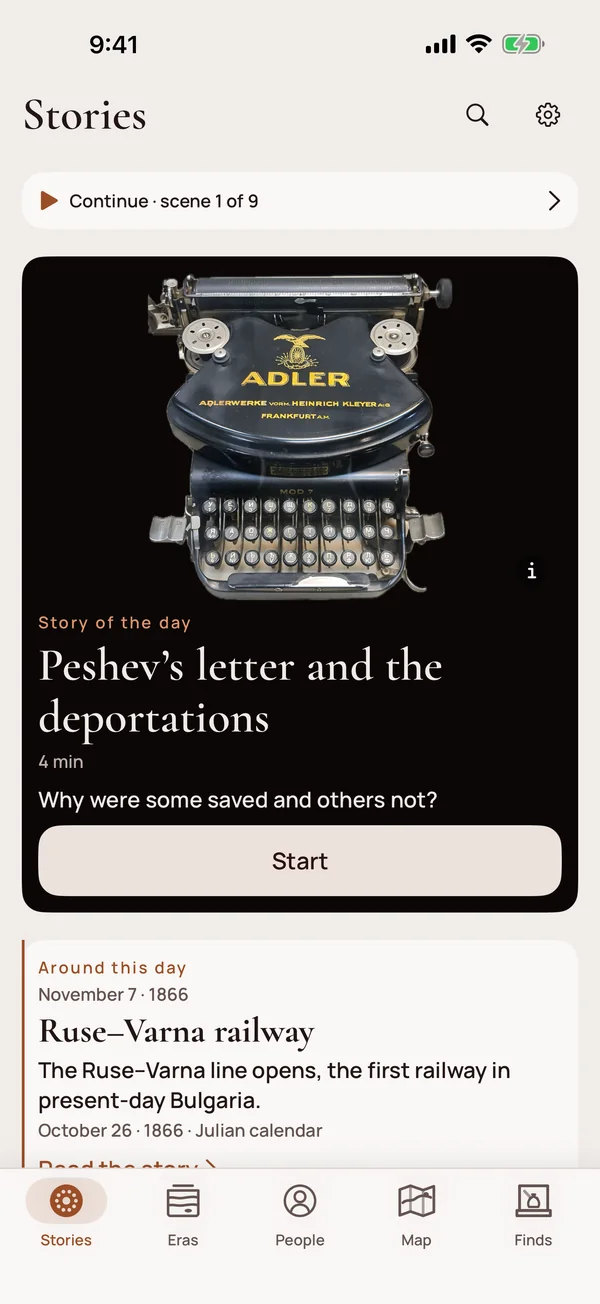
Chapter III · MemoryAn illustrated history of Bulgaria
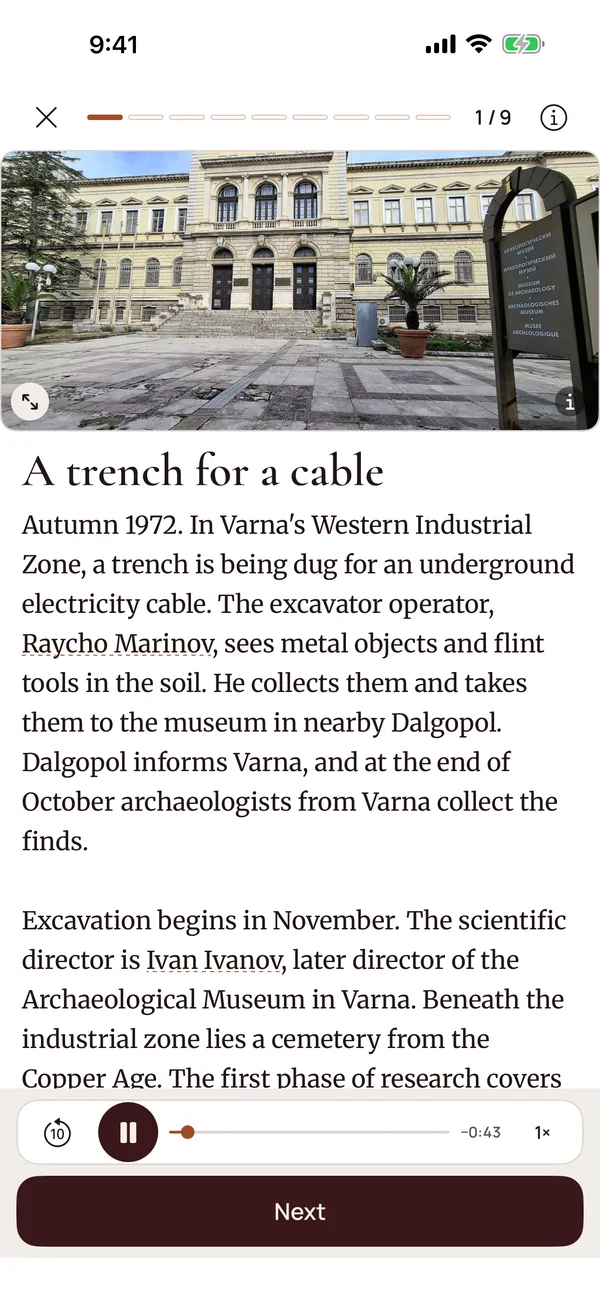
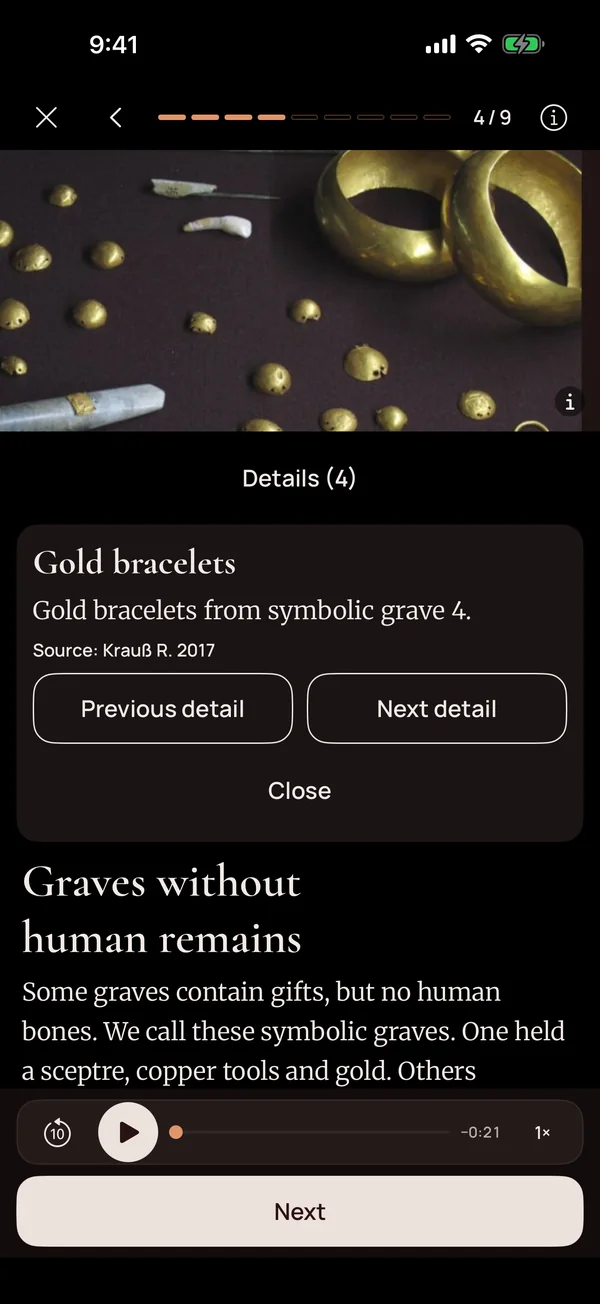
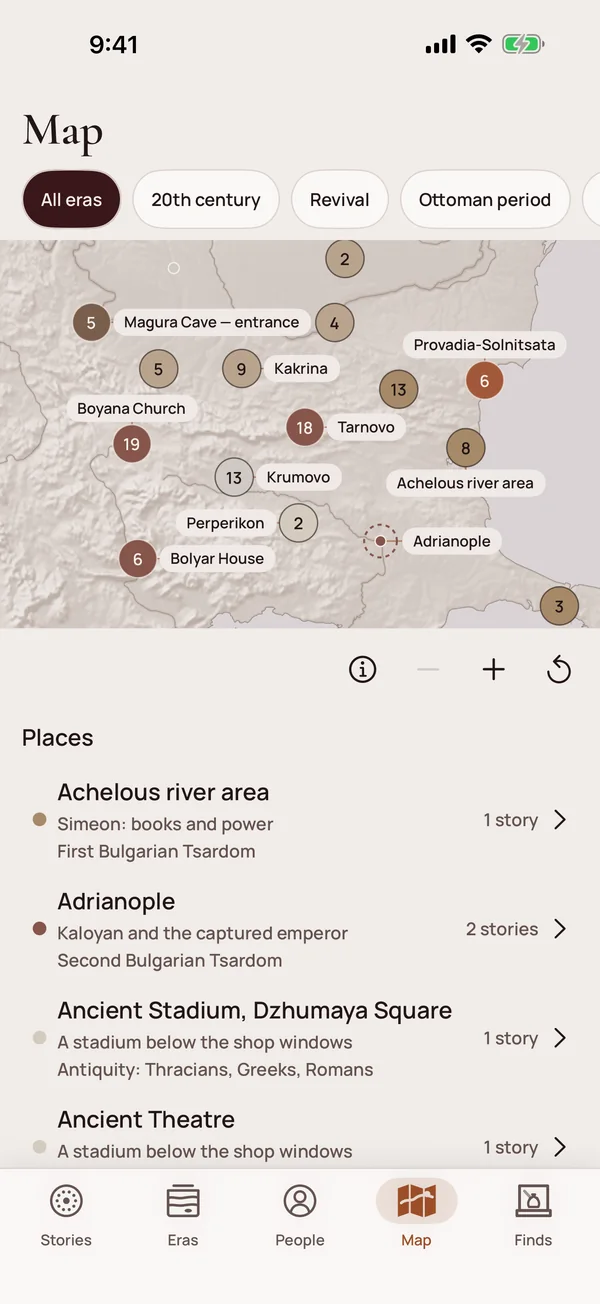
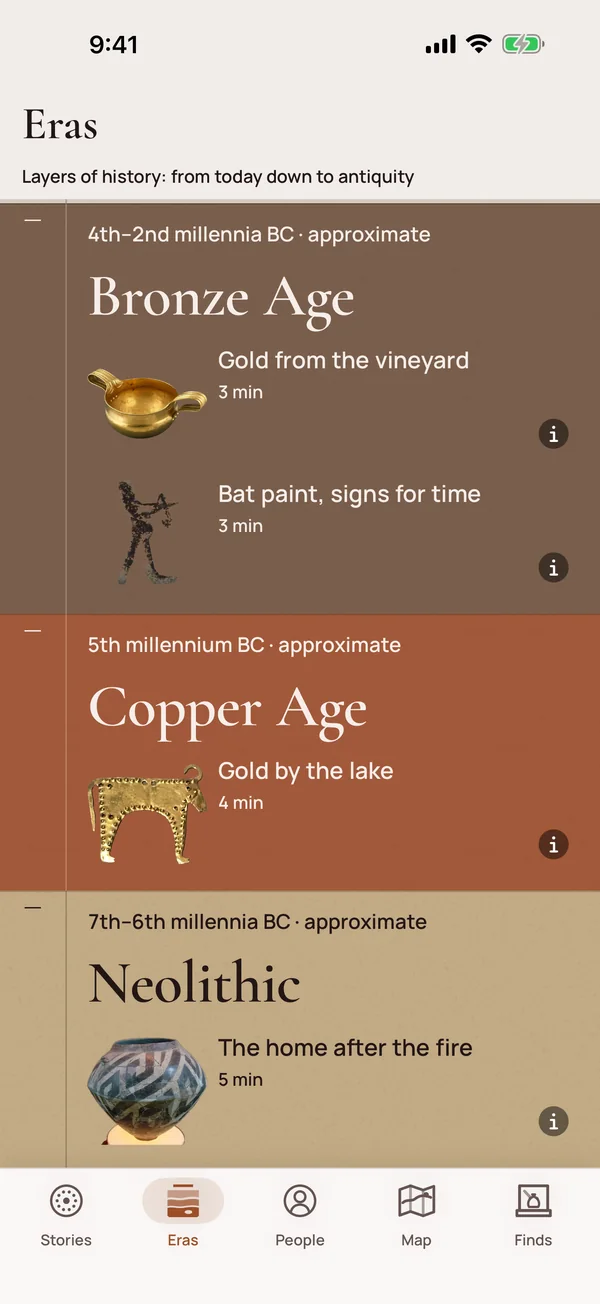
From the Neolithic dwellings of Stara Zagora and the gold of Varna to the Liberation and the 20th century. Illustrated, narrated stories, people and rulers, archaeological finds and a map — and with every story, the sources it draws on.
Who they are for
The three apps complement one another: the language helps you communicate with people, the guide helps you discover the country, and the history helps you understand what you are seeing. Here is what each of them offers different people.
Learn BulgarianTravel Guide BulgariaHistory of BulgariaLearn BulgarianThe language you need at the pharmacy, the doctor’s, the town hall, the bank and at work — with the stress marked on every word.
Travel Guide BulgariaThe practical essentials on money, driving, the vignette and emergencies, and places nearby for the weekend.
History of BulgariaContext for the country they live in: the people, events and monuments they hear about around them.
Learn BulgarianThe option to study entirely in Bulgarian: explanations and more than 18,000 word definitions in Bulgarian, and a quick start at B2, C1 or C2.
Travel Guide BulgariaThe whole country on their phone every time they come home — including places they do not know yet.
History of Bulgaria59 stories that children can read or listen to in Bulgarian or in any of eight other languages.
Learn BulgarianA course up to C2, 90 tests, 104 tasks with model answers and a Medical Bulgarian section.
Travel Guide BulgariaPlaces by theme — from Thracian Bulgaria to places for children — for excursions and educational trips.
History of BulgariaStories with sources, historical figures, a timeline of rulers and three questions for every story.
Learn BulgarianA phrasebook with nearly 400 phrases and seven short lessons for travel.
Travel Guide BulgariaAn offline map, 27,220 places, “I have three hours” and routes over several days — even with no signal.
History of BulgariaThe history of places — before the trip or while you are standing in front of them.
Learn BulgarianLevels A1–B1 compared with the curriculum of the Ministry of Education and Science, and grammar explained in Ukrainian, Arabic, Turkish and 13 other languages.
Travel Guide BulgariaShort practical articles on money, emergencies and manners, and 52 phrases that can be shown full-screen.
History of Bulgaria—
Learn BulgarianA free course that can be recommended to foreigners living in the municipality.
Travel Guide BulgariaA free guide in 12 languages for visitors — no ads, no sign-up and no internet needed.
History of BulgariaStories that explain finds and monuments, with their sources cited.
All the apps are free, with no ads and no sign-up, and data stays on the device.
Bulgaria
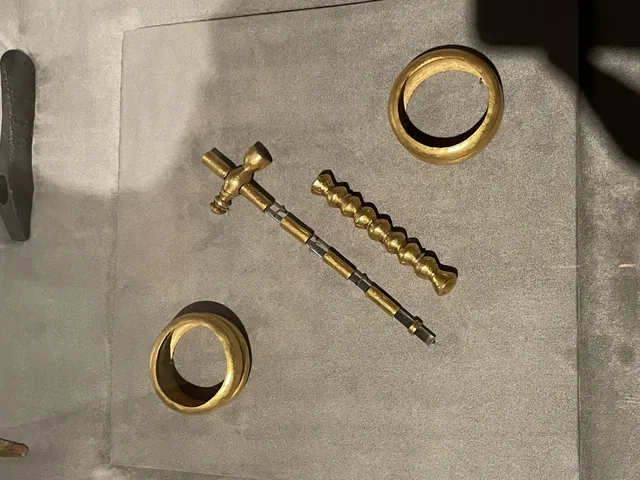
c. 4600 BC
The Varna Chalcolithic Necropolis holds one of the oldest worked gold treasures known to humanity.
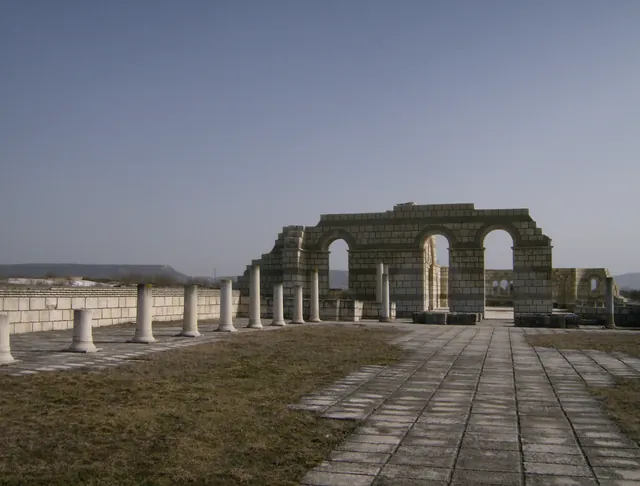
681
One of the oldest states in Europe, it has kept its name for more than thirteen centuries.
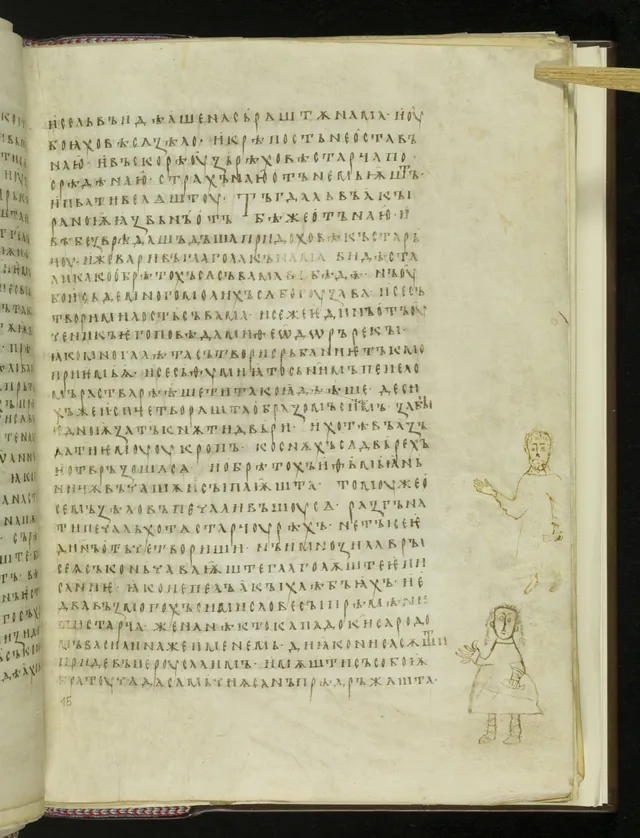
9th–10th c.
Created in the First Bulgarian Empire, it is now the alphabet of more than 250 million people.
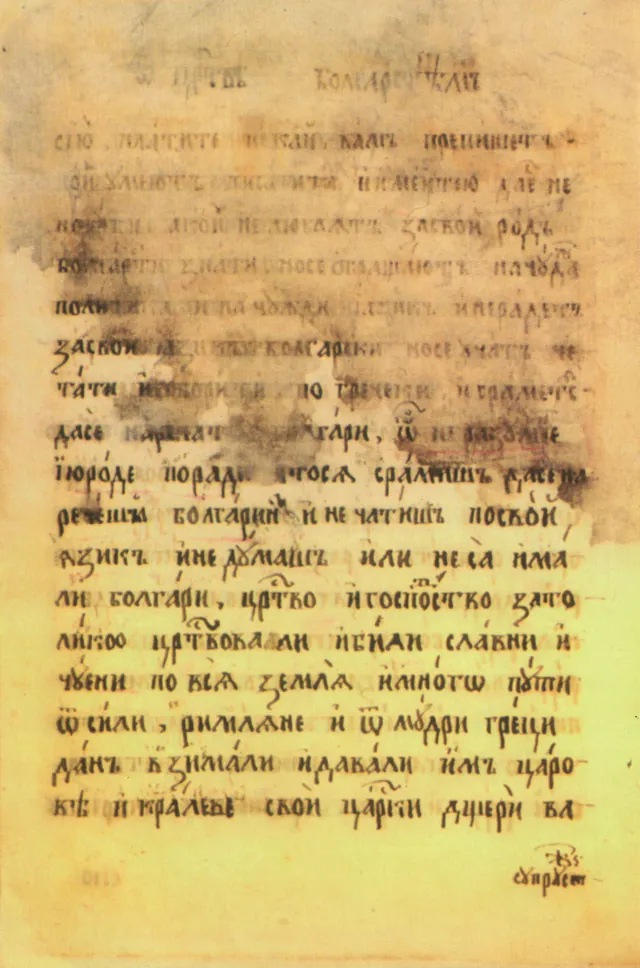
1762
Paisius of Hilendar completes the book that would awaken Bulgarian national consciousness.
3 March 1878
After almost five centuries, Bulgaria returns to the map of Europe.
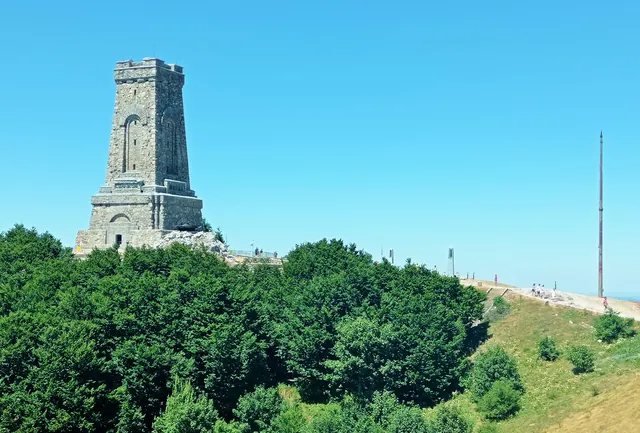
2007
With Bulgaria’s accession, Cyrillic becomes the third official alphabet of the EU.
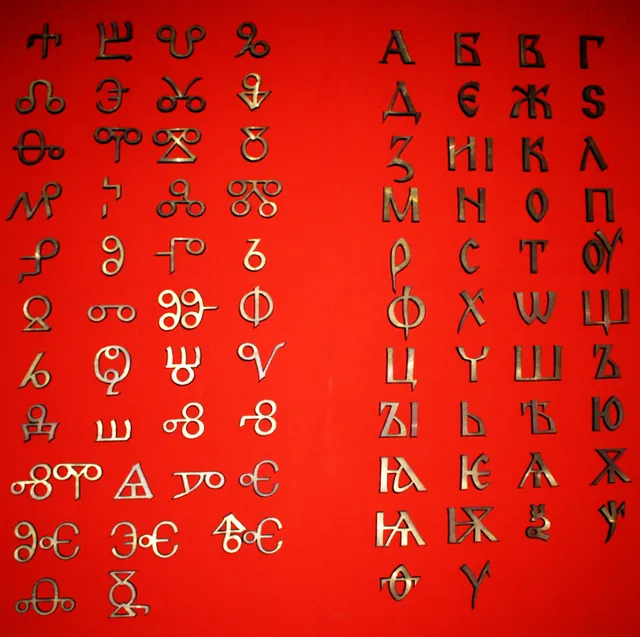
24 May
The Day of Saints Cyril and Methodius, of the Bulgarian Alphabet, Education and Culture and of Slavonic Literature.

Partnership
With ministries, museums, universities, schools and tourism organisations: expert review of the content, new languages, and reaching students, travellers and everyone learning Bulgarian. The apps are free and will stay free.
Write to support@zydeno.com